Guest transformation stories
September 15, 2025Druk Wangyel Festival — Where Winter Meets Devotion
November 18, 2025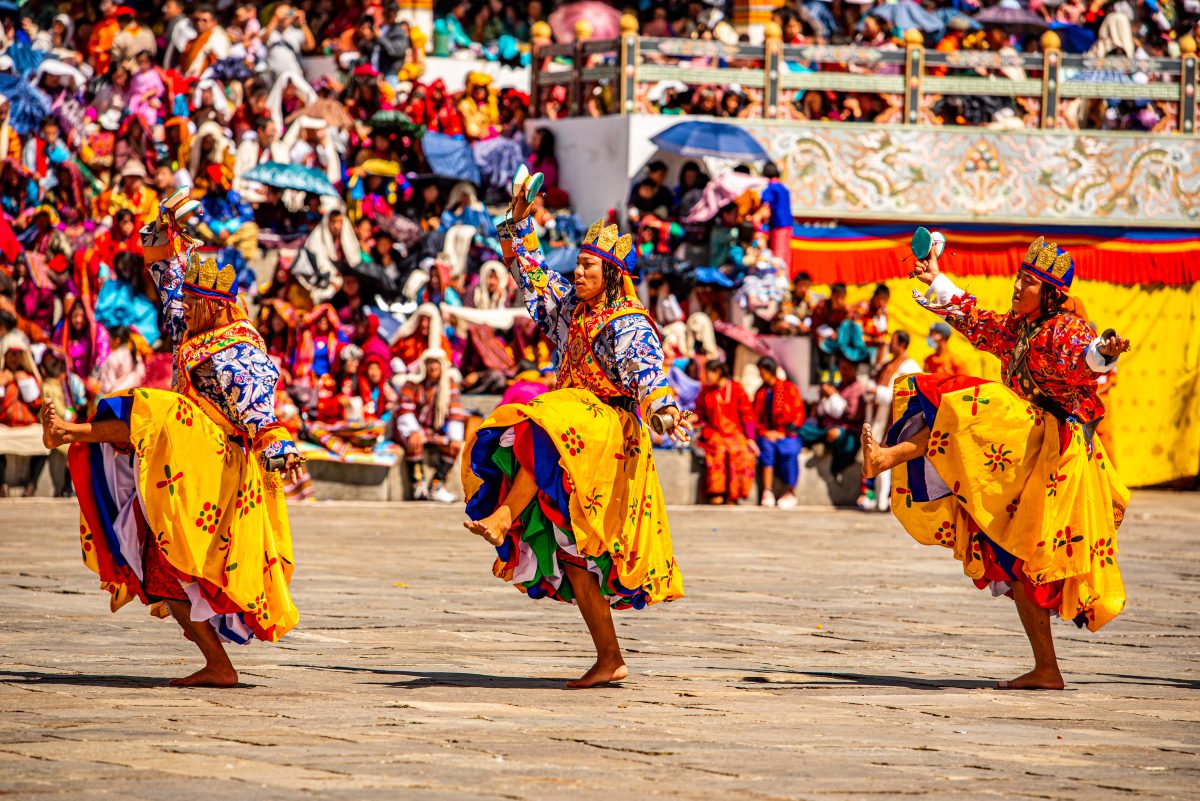
Bhutan: The Land of Festivals and Living Culture 🇧🇹
Bhutan, the last Himalayan kingdom, is a place where culture isn’t just a relic of the past; it’s a vibrant, living part of daily life. At the heart of this culture are its colorful festivals, known as tshechus. These events aren’t just for entertainment; they’re sacred religious celebrations that bring communities together and offer a profound glimpse into the country’s deep-rooted Buddhist traditions.
The Heart of the Festival: The ‘Tshechu’
A tshechu (meaning “tenth day”) is an annual religious festival held in various monasteries, temples, and fortresses (dzongs) throughout Bhutan. They are primarily held to honor Guru Rinpoche, the saint who introduced Buddhism to the country in the 8th century. By attending these festivals, Bhutanese people believe they accumulate merit and receive blessings.
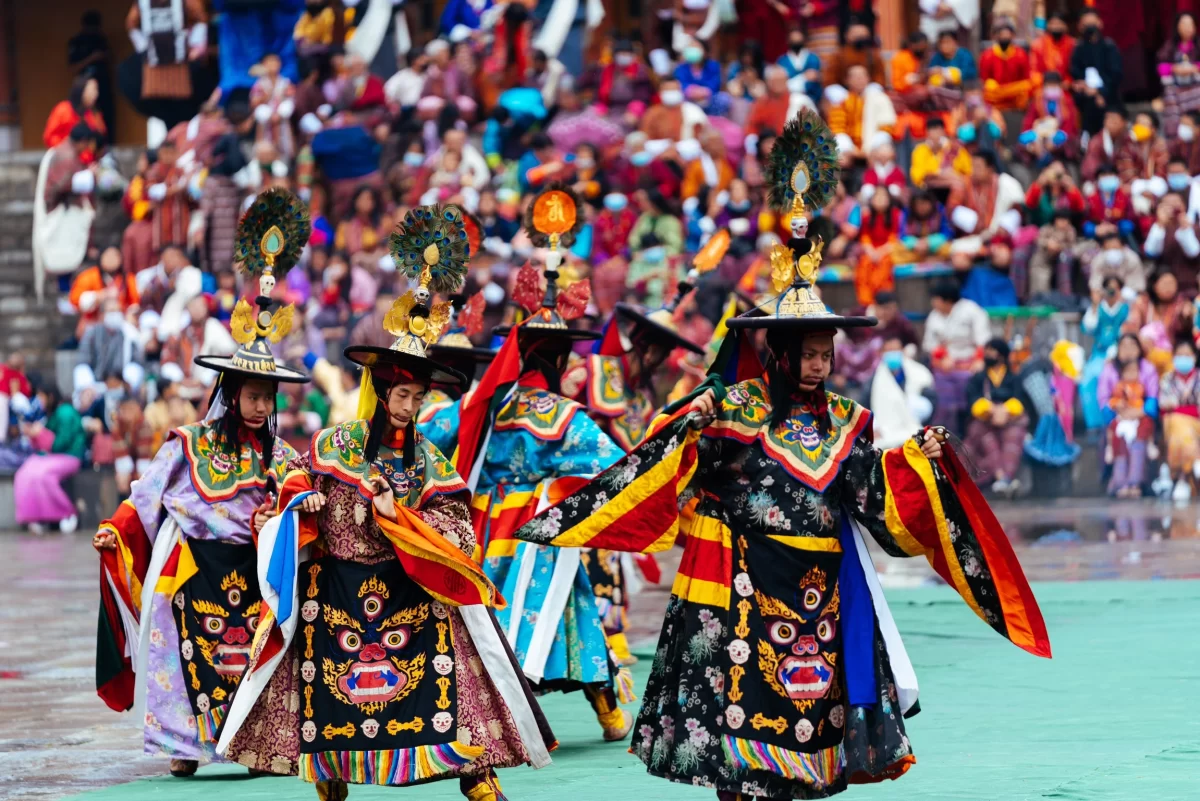
The central part of a tshechu is the Cham dance, a series of sacred masked dances performed by monks and laymen. Each dance has a specific meaning, often depicting stories from Buddhist folklore, the lives of saints, or the triumph of good over evil. The vibrant costumes and elaborate masks, representing wrathful deities, animals, or other mythical beings, are a sight to behold.
Beyond the dances, tshechus are major social events. People from all over the district, dressed in their finest traditional attire—the gho for men and the kira for women—gather to socialize, share food, and celebrate their heritage. It’s a time of communal bonding and spiritual renewal.
Iconic Festivals You Can’t Miss
While nearly every community has its own festival, some are particularly famous for their grandeur and unique traditions.
Paro Tshechu
Held in the spring, the Paro Tshechu is one of Bhutan’s most popular festivals. The highlight is the public display of a giant silk appliqué thangka, a sacred religious scroll known as a Thongdrel. It’s unfurled at dawn on the final day for just a few hours. Simply seeing the Thongdrel is believed to cleanse viewers of their sins and bestow spiritual liberation.
Thimphu Tshechu
As the national festival, the Thimphu Tshechu is the largest and most spectacular. Held in the capital city, it attracts thousands of people, including members of the royal family. The three-day event features a wide array of Cham dances and folk performances, making it a truly immersive cultural experience.
Punakha Drubchen
Unlike other tshechus, this festival is unique for its historical reenactment. It commemorates the 17th-century battle in which Bhutanese forces, led by Zhabdrung Ngawang Namgyal, defeated a Tibetan invasion. Local men, dressed as warriors (pazaps) in traditional armor, reenact the battle in a dramatic display of bravery and national pride.
Beyond the Main Festivals
Bhutan’s cultural calendar is rich with smaller, more localized festivals that offer a glimpse into specific community traditions. The Black-necked Crane Festival in Phobjikha Valley, for example, celebrates the arrival of these endangered birds. The Matsutake Mushroom Festival in Bumthang is a tribute to the prized local delicacy. These festivals showcase the Bhutanese people’s deep connection to nature and their unique way of life.